What does the DELTA 3 Classic offer on paper?
EcoFlow lists the DELTA 3 Classic at 1024 Wh in an LFP battery, with 1800 W of steady AC output. Its surge rating is 3600 W.
Steady output decides what you can run for a long stretch, while surge covers the short spike when a motor kicks on. The warranty lasts 5 years, that is 3 years as standard, plus 2 more when you register it in the EcoFlow app.
| Power and capacity | |
|---|---|
| Battery capacity | 1024 Wh |
| Battery chemistry | LFP |
| Continuous AC output | 1800 W |
| Surge output | 3600 W |
| UPS switchover (max) | 10 ms |
| Pass-through charging | Yes |
| Expandable | No |
| Solar charging | |
| Max solar input | 500 W |
| Lowest solar voltage | 11 V |
| Max solar voltage | 60 V |
| Max solar current | 15 A |
| Solar connector | xt60i |
| Solar input ports | 1 ports |
| Size and moving it | |
| Weight | 26.6 lb |
| Temperature and warranty | |
| Charging, lowest | 0 °C |
| Charging, highest | 45 °C |
| Use, lowest | -10 °C |
| Use, highest | 45 °C |
| Warranty | 5 years |
| Product | Best current price | Watt-hours per dollar | Value rank |
|---|---|---|---|
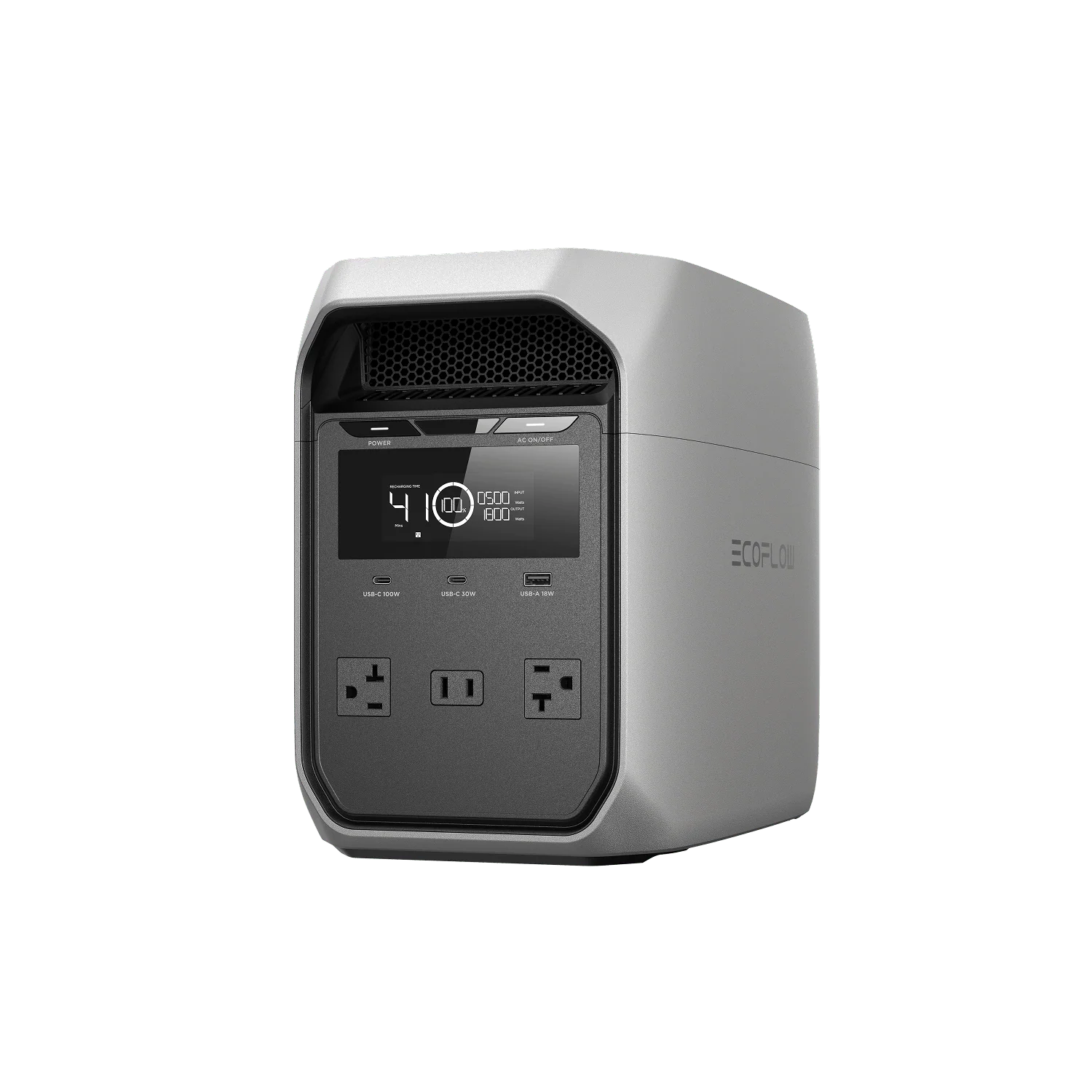 EcoFlow DELTA 3 Classic EcoFlow DELTA 3 Classic | $499.00 at EcoFlow | 2.05 Wh/$ | #2 of 3 |
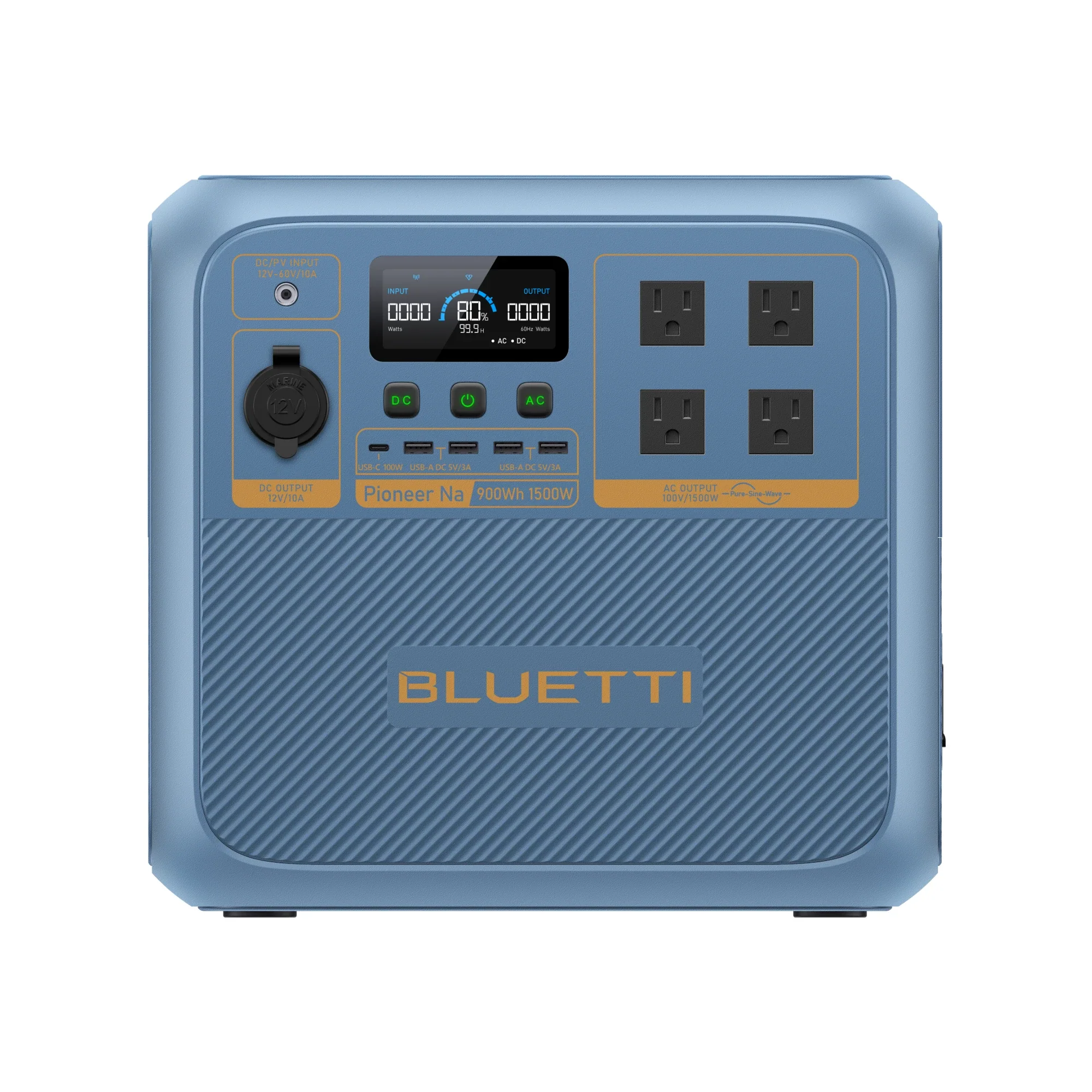 BLUETTI Pioneer Na(Sodium) BLUETTI Pioneer Na(Sodium) | $799.00 at BLUETTI | 1.13 Wh/$ | #3 of 3 |
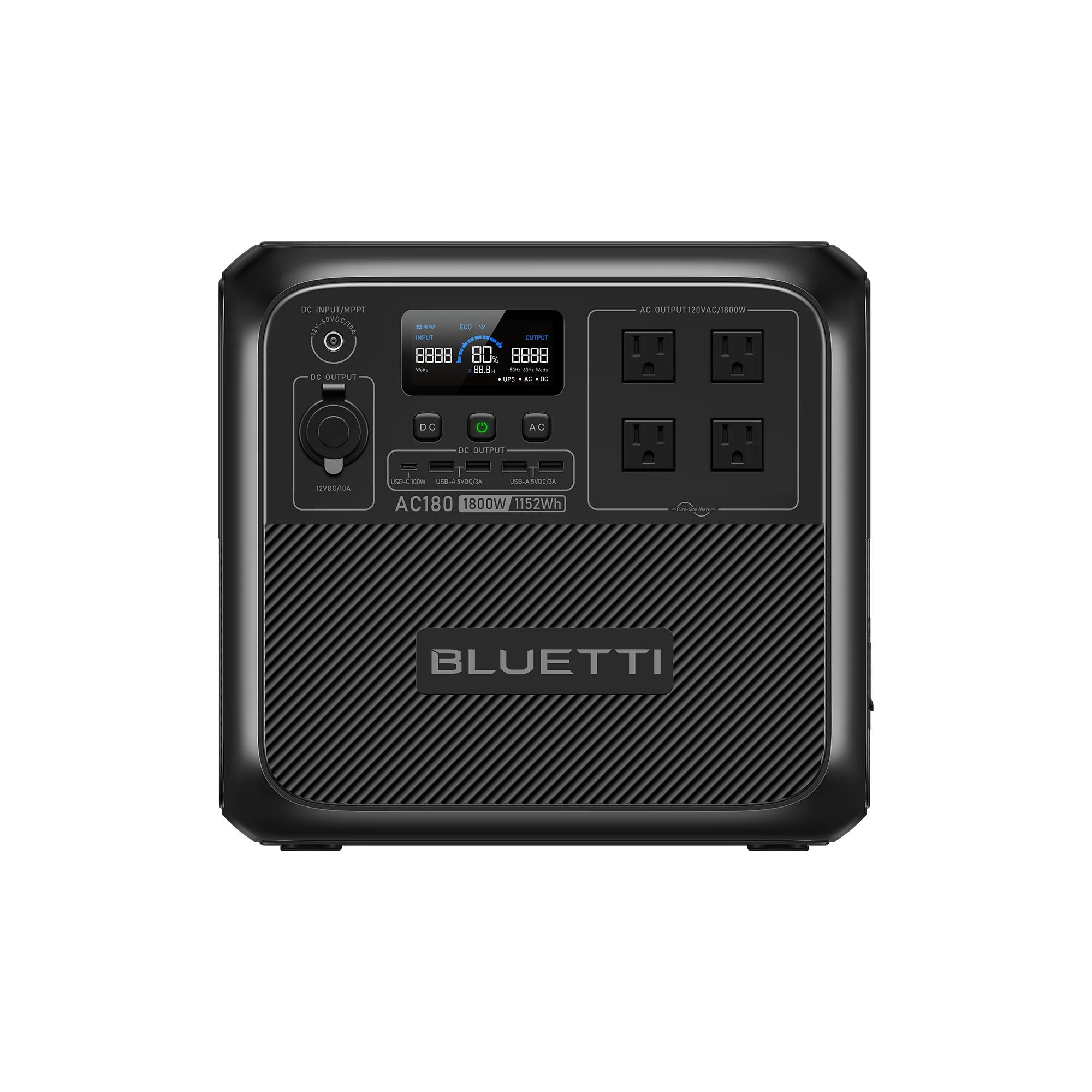 BLUETTI AC180 Solar BLUETTI AC180 Solar | $449.00 at BLUETTI | 2.57 Wh/$ | #1 of 3 |
How heavy is the DELTA 3 Classic to move?
EcoFlow lists the DELTA 3 Classic at 26.6 lb, which puts it in the easy to carry (under 30 lb) weight class. Weight matters most if you expect to carry a unit upstairs or load it into a vehicle regularly.
For a unit that stays put at home, it matters less.
How fast does it charge from the wall and from solar?
EcoFlow lists 45 minutes for a partial wall charge of the DELTA 3 Classic. EcoFlow rates solar input on the DELTA 3 Classic at 500 W through an xt60i connector, with limits of 60 V and 15 A. At the 500 W max input, the calculated fastest full solar refill is 2.0 hours.
The listed minimum MPPT voltage is 11 V. Panel output depends on sun, angle and heat, so your own refill times will vary.
What does it list for pass-through and switchover?
EcoFlow rates the UPS switchover at 10 ms at most, which places it in the 20 ms or less group. Pass-through charging is listed as yes.
Switchover time is the gap between a grid cut and the moment the battery takes over the load. Before you count on any backup unit, add up the watts of what you plan to plug in.
Does it work in hot or freezing weather?
EcoFlow lists a charging range for the DELTA 3 Classic of 0 °C to 45 °C, and it does not charge below 0 °C. It is rated to supply power from -10 °C up to 45 °C.
Check the charging minimum before a winter trip.
How does its price compare?
On value, the DELTA 3 Classic ranks #2 of 3 among the products in this article. It sells for $499.00 at EcoFlow, which works out to 2.05 Wh/$.
The AC180 Solar leads at #1 of 3 with 2.57 Wh/$, while the Pioneer Na(Sodium) sits at #3 of 3 with 1.13 Wh/$. Watt-hours per dollar shows how much stored energy each dollar buys, but it leaves out output, weight and warranty.
Where does the DELTA 3 Classic fall short?
On battery expansion, the DELTA 3 Classic cannot add batteries, and its capacity is 1024 Wh. If your needs may grow, a model that takes extra batteries leaves room to expand later.
Cold is the other limit, because it does not charge below 0 °C.
Who is this power station a good fit for?
The DELTA 3 Classic suits buyers who want a unit in the easy to carry (under 30 lb) weight class with 1800 W of steady output. It also fits buyers who want a UPS switchover in the 20 ms or less group.
Deep-winter campers should check cold charging limits first.
How does the AC180 Solar compare?
BLUETTI sells the AC180 Solar for $449.00 and lists it at 1152 Wh, against $499.00 and 1024 Wh for the DELTA 3 Classic. Both list 1800 W of steady output, but the AC180 Solar surge rating is 2700 W, lower than the 3600 W on the DELTA 3 Classic. Each is rated for 500 W of solar, and at that max input the calculated fastest full refill is 2.3 hours for the AC180 Solar and 2.0 hours for the DELTA 3 Classic.
The AC180 Solar's switchover is rated at 20 ms at most, while EcoFlow rates the DELTA 3 Classic at 10 ms at most. BLUETTI lists a warranty of 5 years for the AC180 Solar. The EcoFlow warranty also runs 5 years, that is 3 years as standard, plus 2 more when you register it in the EcoFlow app.
Why pick the Pioneer Na(Sodium) instead?
BLUETTI rates the sodium-ion Pioneer Na(Sodium) to charge from -15 °C and to supply power down to -25 °C. The DELTA 3 Classic does not charge below 0 °C, so the Pioneer Na(Sodium), with its -15 °C charging minimum, is rated to charge at colder temperatures. It weighs 35.3 lb and costs $799.00 at BLUETTI, while the DELTA 3 Classic weighs 26.6 lb and costs $499.00 at EcoFlow.
BLUETTI's listing shows 900 Wh for the Pioneer Na(Sodium). BLUETTI lists its case at 13.4 in long, 10 in wide and 12.5 in tall. BLUETTI rates the Pioneer Na(Sodium) at 1500 W steady with a 2250 W power lifting mode, against 1800 W on the DELTA 3 Classic.
At its 500 W max solar input, the calculated fastest full solar refill for the Pioneer Na(Sodium) is 1.8 hours. BLUETTI lists its warranty at 3 years.