Which power station is the best value for a Starlink dish?
The BLUETTI AC180 Solar is the best value here, ranked #1 of 6 at 2.31 Wh/$ from its $499.00 price at BLUETTI. The BLUETTI Elite 200 V2 also shows 2.31 Wh/$ and ranks #2 of 6, at $899.00 at BLUETTI. Starlink lists average power consumption of 75 to 100 W for its Standard kit.
That 75 to 100 W range is for the Standard kit, because no Starlink Mini figure is listed here. The Standard kit comes with an AC power cable and takes 100-240 V AC. Read the power rating on your own dish before you size a battery.
Each run time below is battery size divided by the draw, before losses.
| Product | Best current price | Watt-hours per dollar | Value rank |
|---|---|---|---|
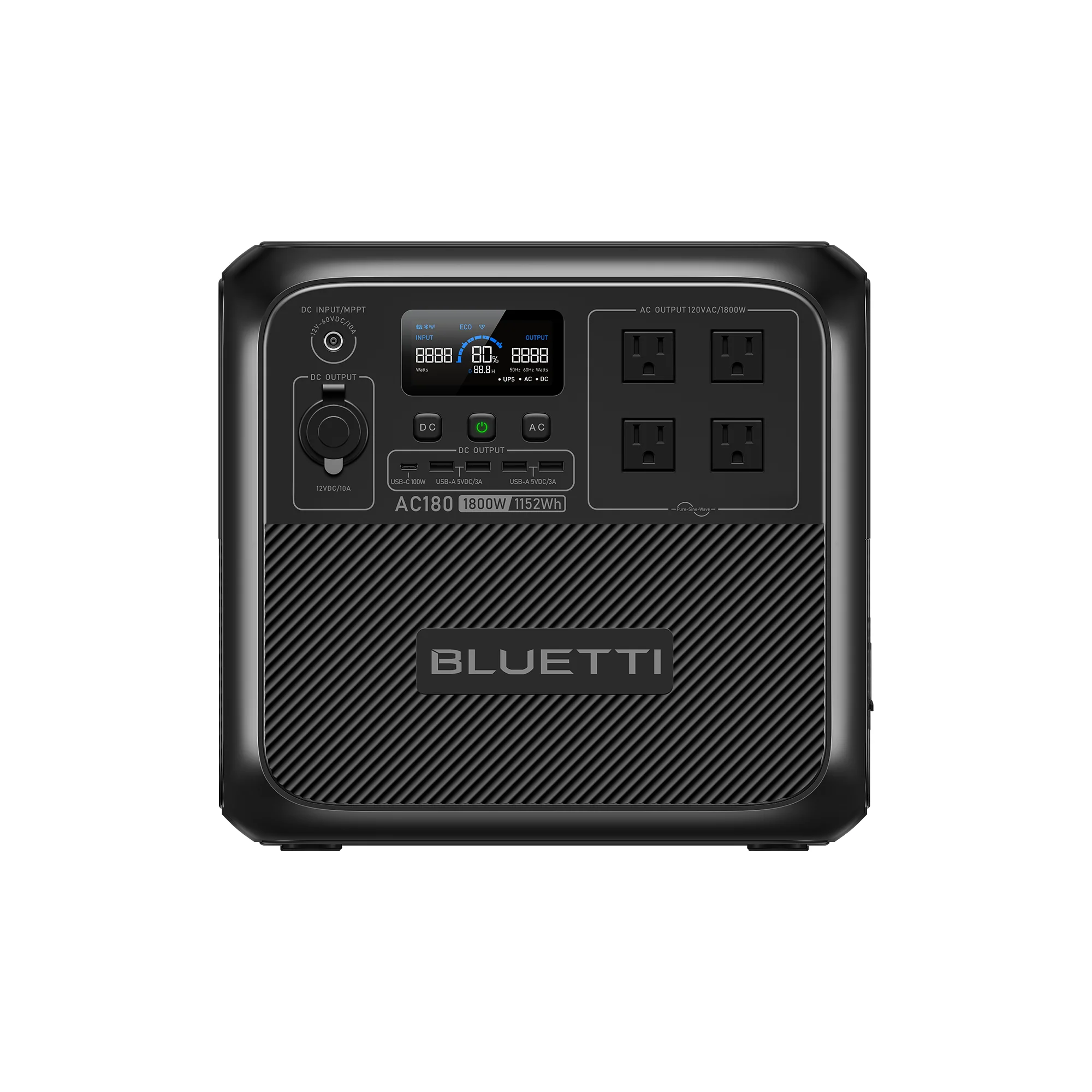 BLUETTI AC180 Solar | $499.00 at BLUETTI | 2.31 Wh/$ | #1 of 6 |
 BLUETTI Elite 200 V2 | $899.00 at BLUETTI | 2.31 Wh/$ | #2 of 6 |
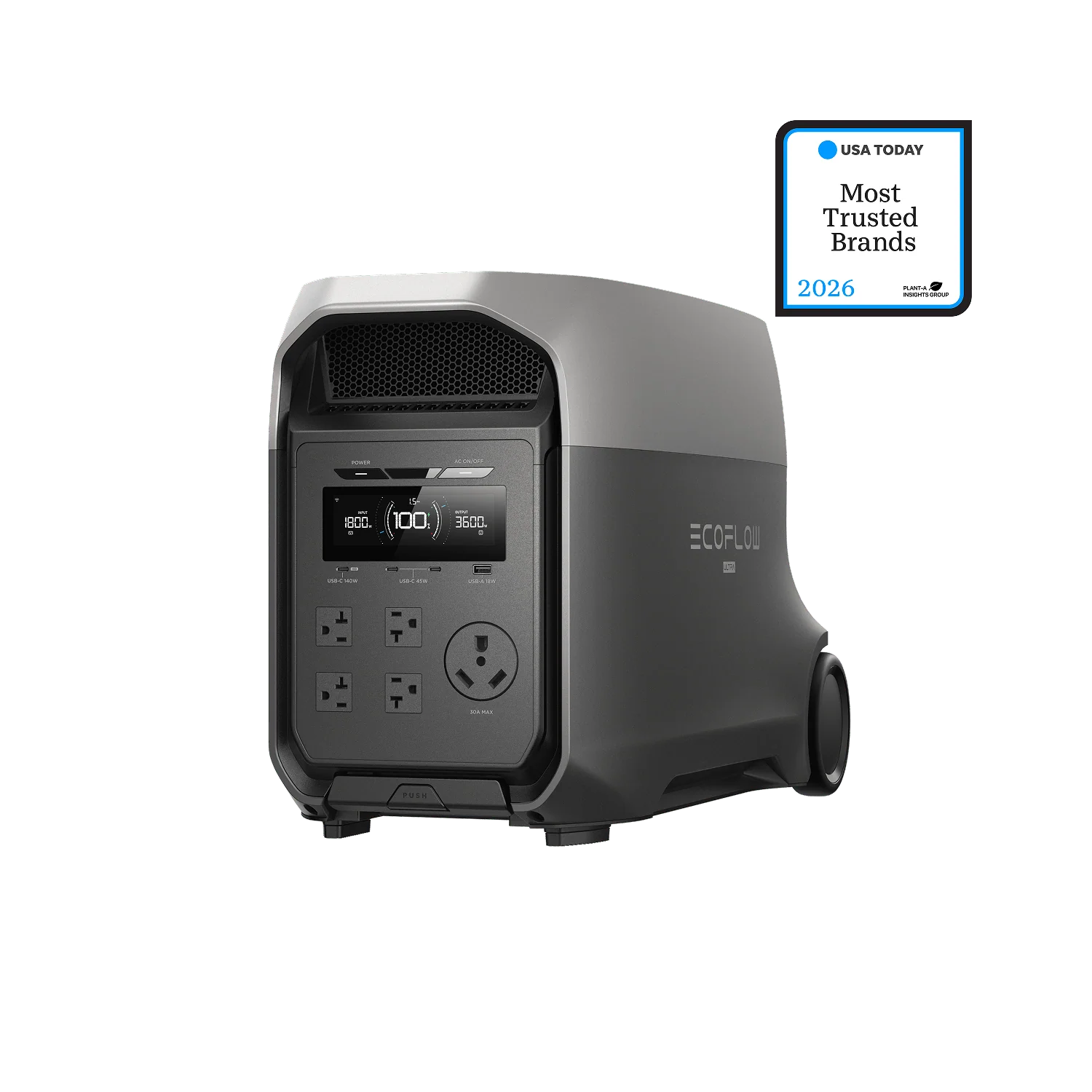 EcoFlow DELTA 3 Ultra Series | $1,369.00 at EcoFlow | 2.24 Wh/$ | #3 of 6 |
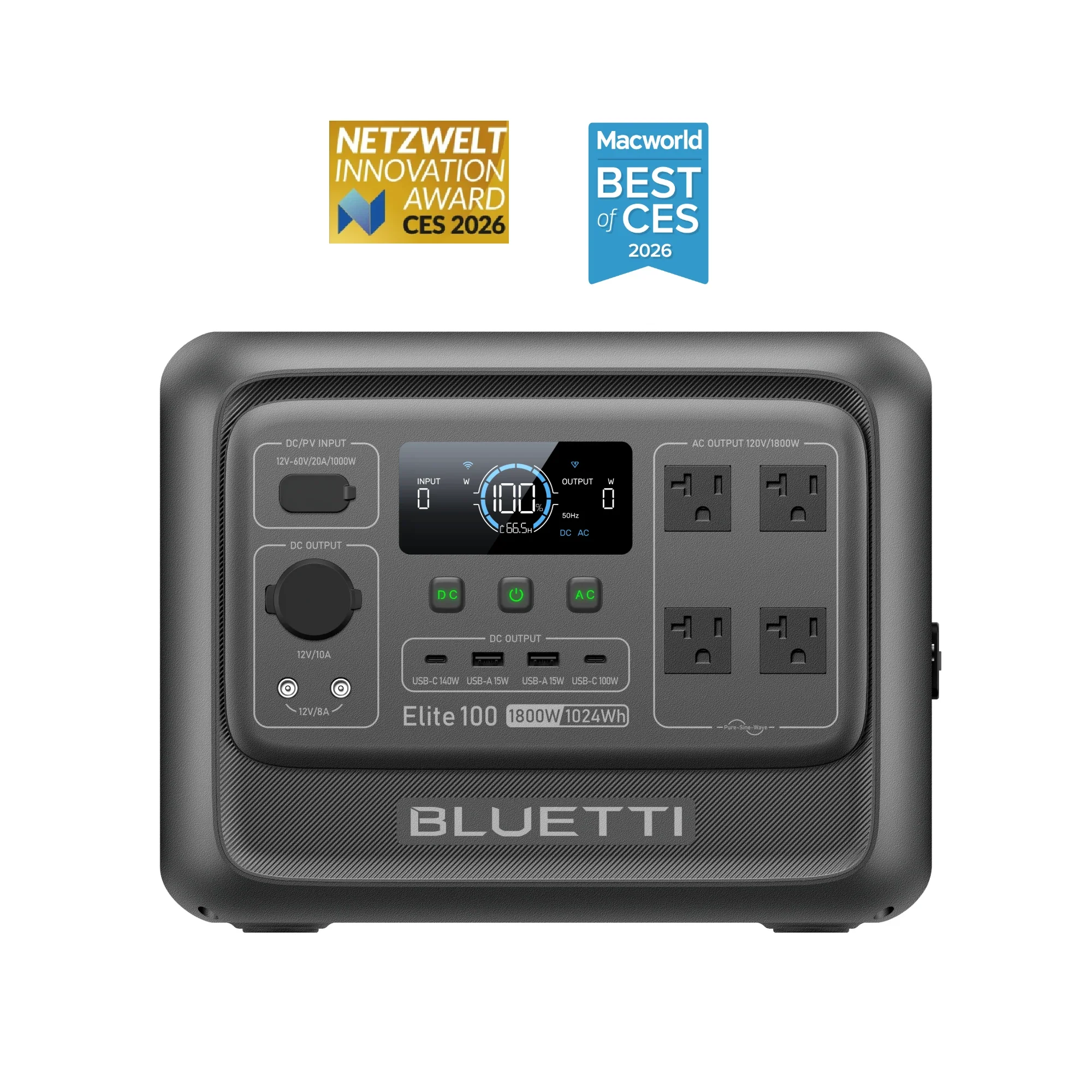 BLUETTI Elite 100 V2 | $499.00 at BLUETTI | 2.05 Wh/$ | #4 of 6 |
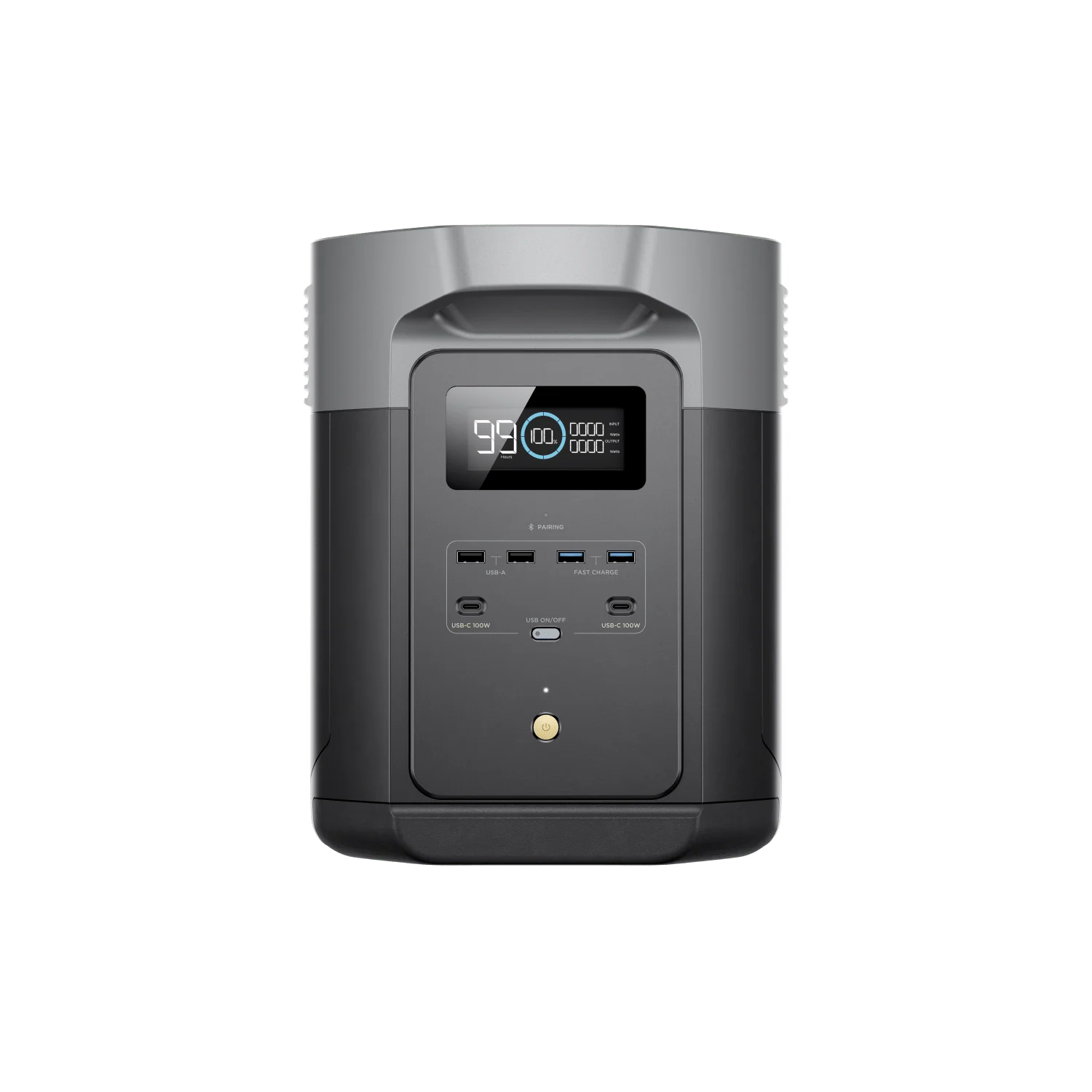 EcoFlow DELTA 2 Max | $1,029.00 at EcoFlow | 1.99 Wh/$ | #5 of 6 |
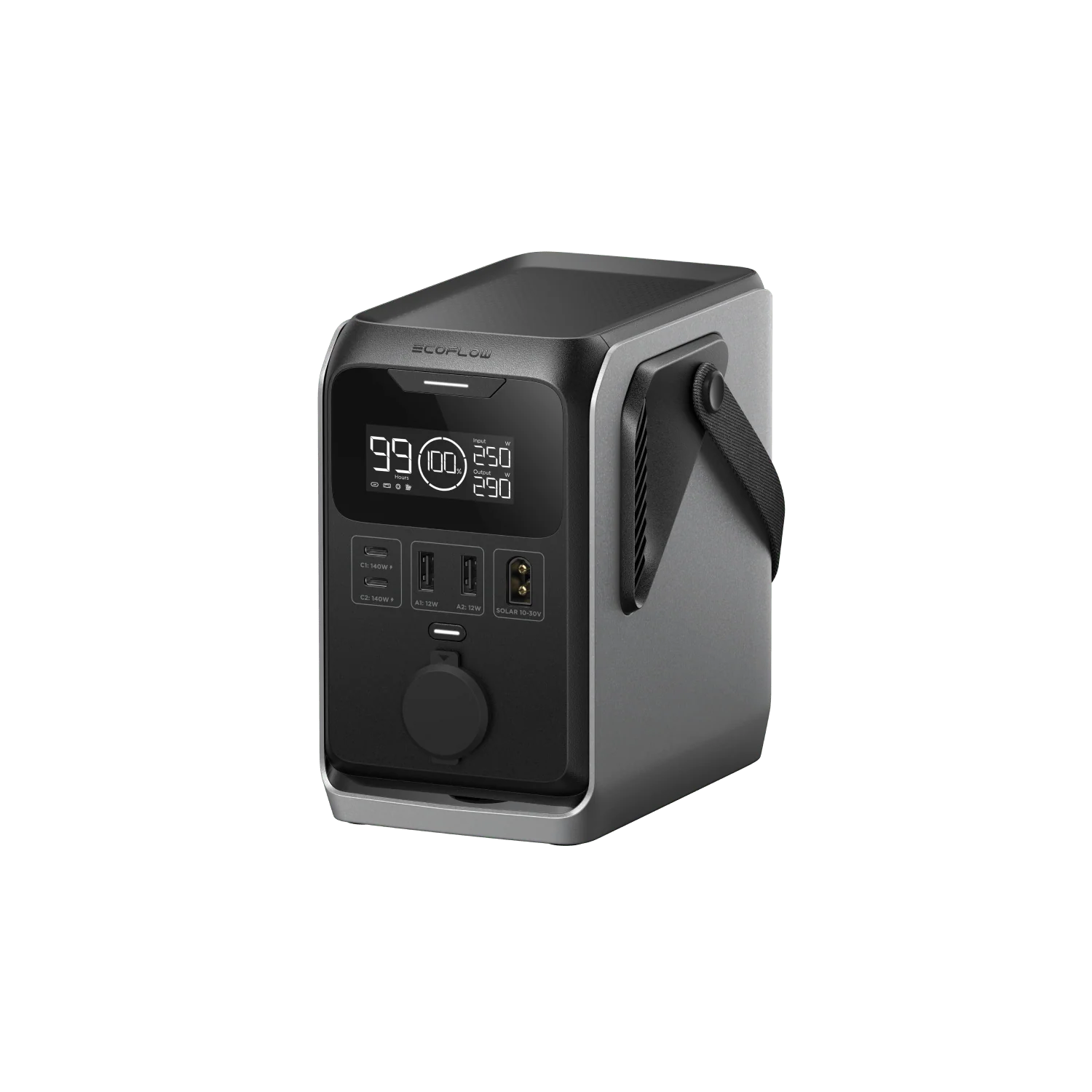 EcoFlow TRAIL 300 DC | $159.00 at EcoFlow | 1.81 Wh/$ | #6 of 6 |
How does the AC180 Solar rank for value?
It pairs a $499.00 price at BLUETTI with 1152 Wh of storage, which comes to 2.31 Wh/$. Before losses, a Standard kit drawing 100 W works out to up to 11.5 hours on the BLUETTI AC180 Solar, and at 75 W that stretches to 15.4 hours. BLUETTI rates it for 1800 W of steady AC output and 2700 W of surge, and lists its weight at 36.16 lb.
For solar, BLUETTI lists a 500 W maximum input. Running at that listed maximum, panels could refill it in as little as 2.3 hours. BLUETTI lists a maximum UPS switchover time of 20 ms.
The warranty BLUETTI lists runs 5 years.
Strengths
- UPS switchover speed: 20 ms or less
How long could the Elite 200 V2 keep a Starlink Standard kit online?
On the BLUETTI Elite 200 V2, a Standard kit works out to up to 20.7 hours at 100 W, or 27.6 hours at 75 W, before losses. BLUETTI lists 2073.6 Wh of storage and 2600 W of steady AC output. That makes it a large-load unit, with 2000 W or more of continuous AC output.
It has 4 AC outlets, 2 USB-C ports, 2 USB-A ports and 1 car port. Its listed weight of 53.35 lb places it in the heavy (over 50 lb) class. BLUETTI rates it to discharge down to -20 °C.
Even so, it does not charge below 0 °C. It also cannot add batteries, so the storage you buy is the storage you keep. From the wall, BLUETTI lists a turbo charge time of 1.4 hours.
Strengths
- Large-load output: 2000 W or more of continuous AC output
- UPS switchover speed: 20 ms or less
Gaps
- Weight class: heavy (over 50 lb)
- Charging in freezing weather: does not charge below 0 °C
- Battery expansion: cannot add batteries
- Built-in light: none
What does the DELTA 3 Ultra Series bring to a long stay off the grid?
The EcoFlow DELTA 3 Ultra Series holds 3072 Wh, which works out to up to 30.7 hours of a Standard kit at 100 W, or 41.0 hours at 75 W, with losses left out. It costs $1,369.00 at EcoFlow, which works out to 2.24 Wh/$ and a value rank of #3 of 6. EcoFlow rates it for 3600 W of steady AC output and 7200 W of surge.
EcoFlow lists it at 72.1 lb and 24.6 in tall. That weight puts it in the heavy (over 50 lb) class. Solar input is listed at an 800 W maximum across 2 ports.
At that listed maximum, the fastest full solar refill comes to 3.8 hours. Its listed warranty is 5 years, that is 3 years as standard, plus 2 more when you register it in the EcoFlow app. EcoFlow lists a UPS switchover of 10 ms.
Strengths
- Large-load output: 2000 W or more of continuous AC output
- UPS switchover speed: 20 ms or less
Gaps
- Weight class: heavy (over 50 lb)
- Charging in freezing weather: does not charge below 0 °C
How easy is the Elite 100 V2 to carry?
At 25.3 lb, the BLUETTI Elite 100 V2 is easy to carry (under 30 lb). BLUETTI lists it at 12.6 in long, 8.5 in wide and 9.8 in tall. It sells for $499.00 at BLUETTI and comes in at 2.05 Wh/$ with a rank of #4 of 6.
BLUETTI lists an 80 percent wall charge in 45 minutes. Its listed solar maximum is 1000 W, and a full solar refill at that level takes as little as 1.0 hours. Its 1024 Wh works out to up to 10.2 hours of a Standard kit at 100 W, or 13.7 hours at 75 W, counted before losses.
It has 4 AC outlets, and pass-through charging is marked yes. It cannot add batteries.
Strengths
- Weight class: easy to carry (under 30 lb)
- UPS switchover speed: 20 ms or less
Gaps
- Charging in freezing weather: does not charge below 0 °C
- Battery expansion: cannot add batteries
Can the DELTA 2 Max grow with extra batteries?
Yes, the EcoFlow DELTA 2 Max can add batteries. Expansion matters if you expect to need more hours of internet later, for example on longer trips. Out of the box, EcoFlow lists 2048 Wh of storage.
Divided by a 100 W draw, that works out to up to 20.5 hours of a Standard kit before losses, or 27.3 hours at 75 W. The price is $1,029.00 at EcoFlow, for 1.99 Wh/$ and a rank of #5 of 6. It has 6 AC outlets, 4 USB-A ports and 2 USB-C ports.
EcoFlow lists a 1000 W solar maximum across 2 ports. With panels feeding that listed maximum, it could go from empty to full in as little as 2.0 hours. At 50.7 lb, it sits in the heavy (over 50 lb) class.
Strengths
- Large-load output: 2000 W or more of continuous AC output
- UPS switchover speed: 20 ms or less
- Battery expansion: can add batteries
Gaps
- Weight class: heavy (over 50 lb)
- Charging in freezing weather: does not charge below 0 °C
What do you get from the TRAIL 300 DC for $159.00?
For $159.00 at EcoFlow, you get 288 Wh of storage in a unit listed at 5.7 lb. That is 1.81 Wh/$, which ranks the EcoFlow TRAIL 300 DC #6 of 6 on value. Its listed solar maximum is 110 W, and EcoFlow lists an MPPT minimum voltage of 10 V.
At that listed maximum, filling it from the sun takes as little as 2.6 hours. EcoFlow rates it to discharge down to -10 °C. It is easy to carry (under 30 lb), but it does not charge below 0 °C.
Strengths
- Weight class: easy to carry (under 30 lb)
Gaps
- Charging in freezing weather: does not charge below 0 °C
How should you choose a battery for a Starlink dish?
Start with how many hours a day you need the dish online, then pick the smallest battery that covers those hours with some room to spare for losses. If you move camp often, weight will matter more than extra hours. The Elite 100 V2 at 25.3 lb and the TRAIL 300 DC at 5.7 lb are both easy to carry (under 30 lb).
Check that a battery has the right outlet for your dish's power cable before you buy. Starlink rates the Standard kit antenna to work from -30 °C up to 50 °C. Compare each battery's listed lowest discharge and charge temperatures with the cold you expect.
Check each battery's listed solar maximum, input voltage and connector before choosing panels.