Which power station here gives the most watt-hours per dollar?
The AC180 Solar comes first on value at 2.31 Wh/$, ranked #1 of 6, with 1152 Wh for $499.00 at BLUETTI. Right behind it, the Elite 200 V2 also shows 2.31 Wh/$ and is ranked #2 of 6. The DELTA 2 Max sits at #6 of 6 with 1.99 Wh/$.
This figure measures stored energy alone. It says nothing about starting a compressor.
| Product | Best current price | Watt-hours per dollar | Value rank |
|---|---|---|---|
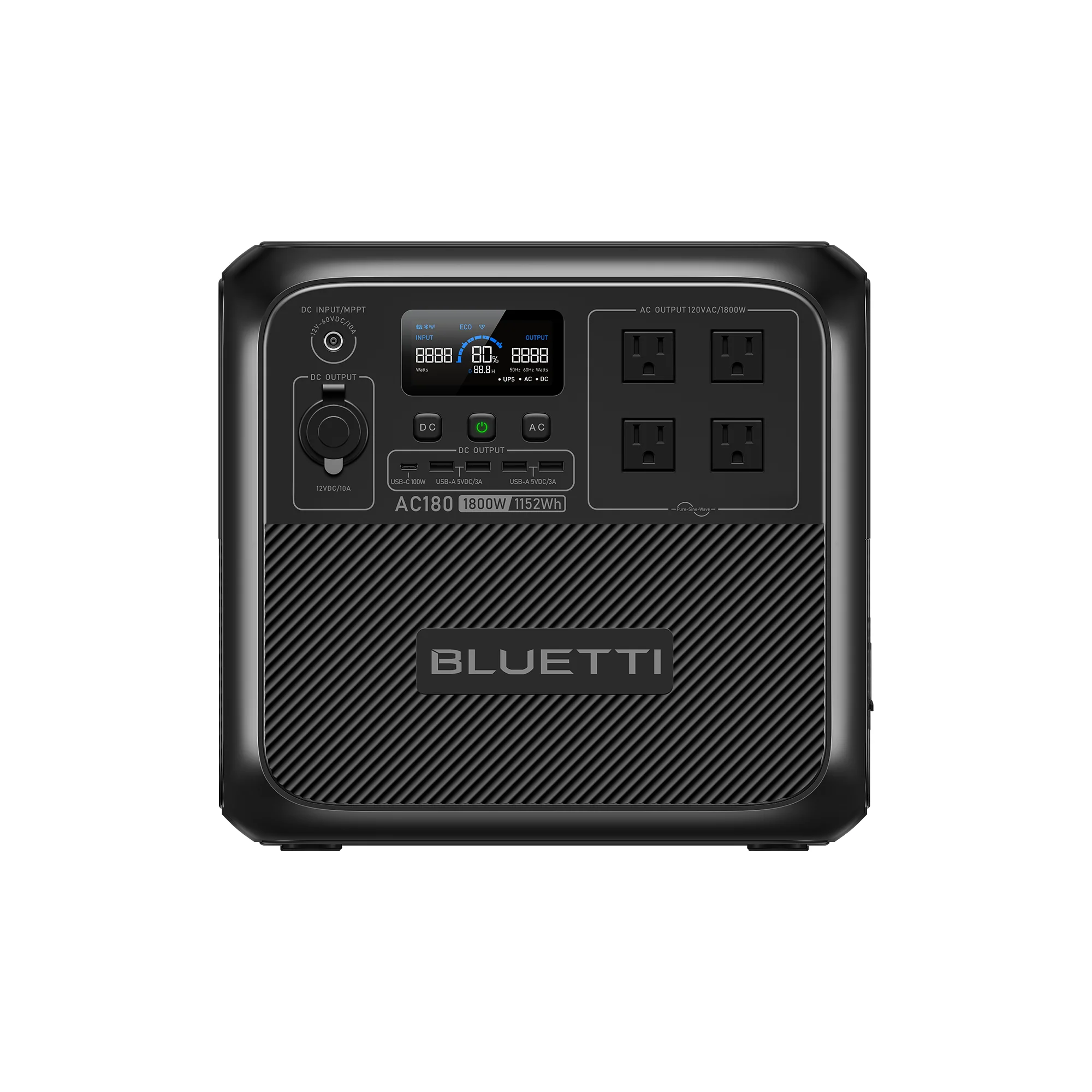 BLUETTI AC180 Solar | $499.00 at BLUETTI | 2.31 Wh/$ | #1 of 6 |
 BLUETTI Elite 200 V2 | $899.00 at BLUETTI | 2.31 Wh/$ | #2 of 6 |
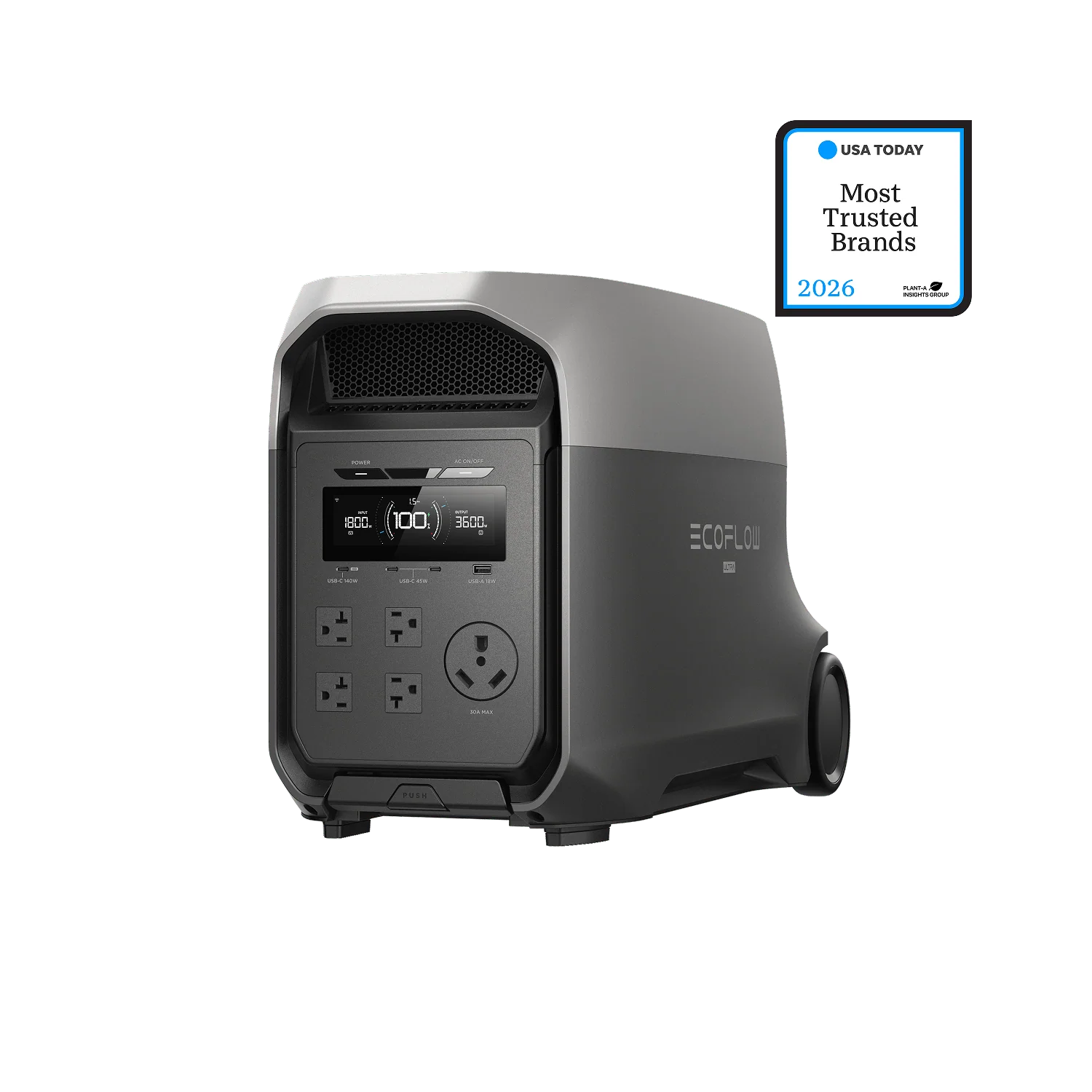 EcoFlow DELTA 3 Ultra Series | $1,369.00 at EcoFlow | 2.24 Wh/$ | #3 of 6 |
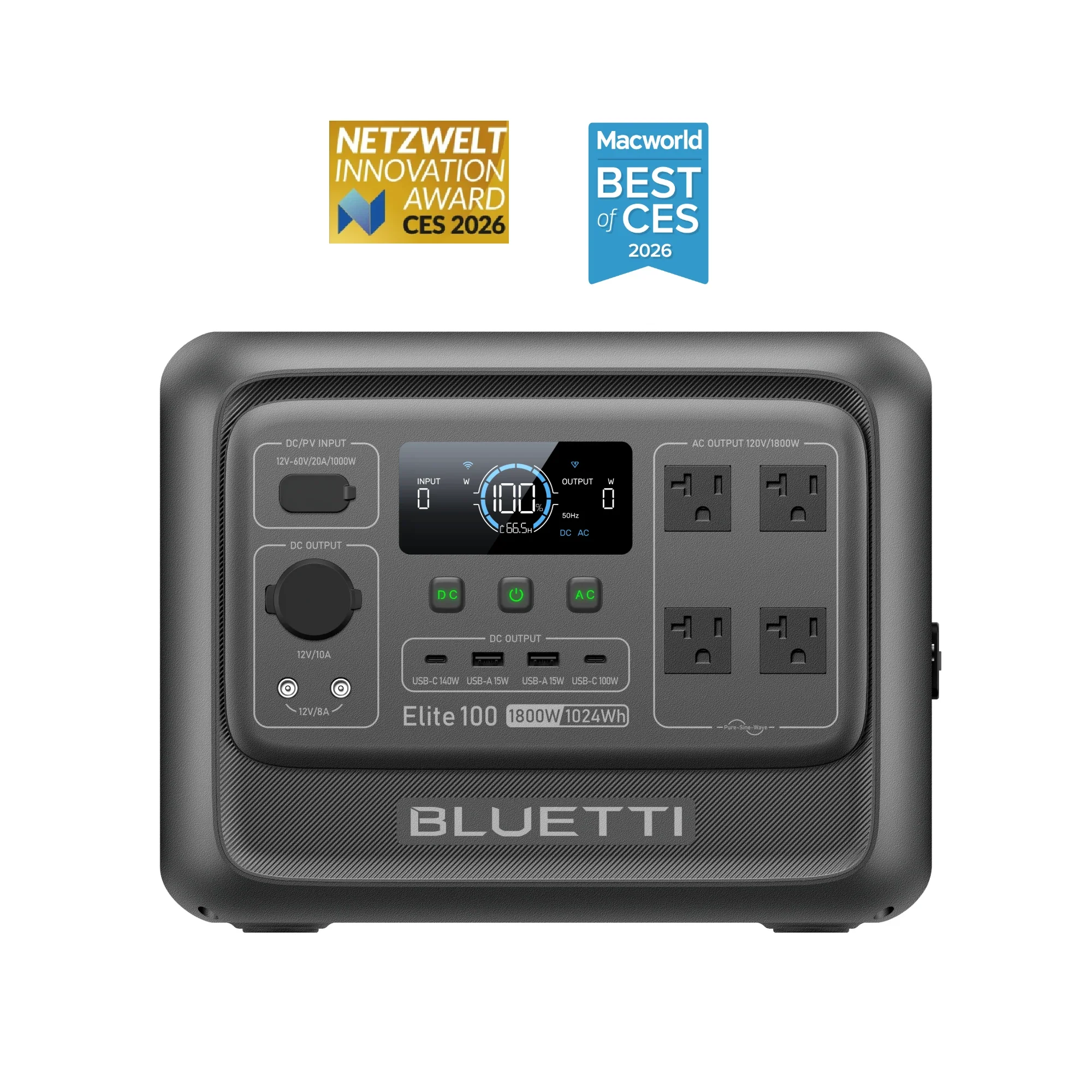 BLUETTI Elite 100 V2 | $499.00 at BLUETTI | 2.05 Wh/$ | #4 of 6 |
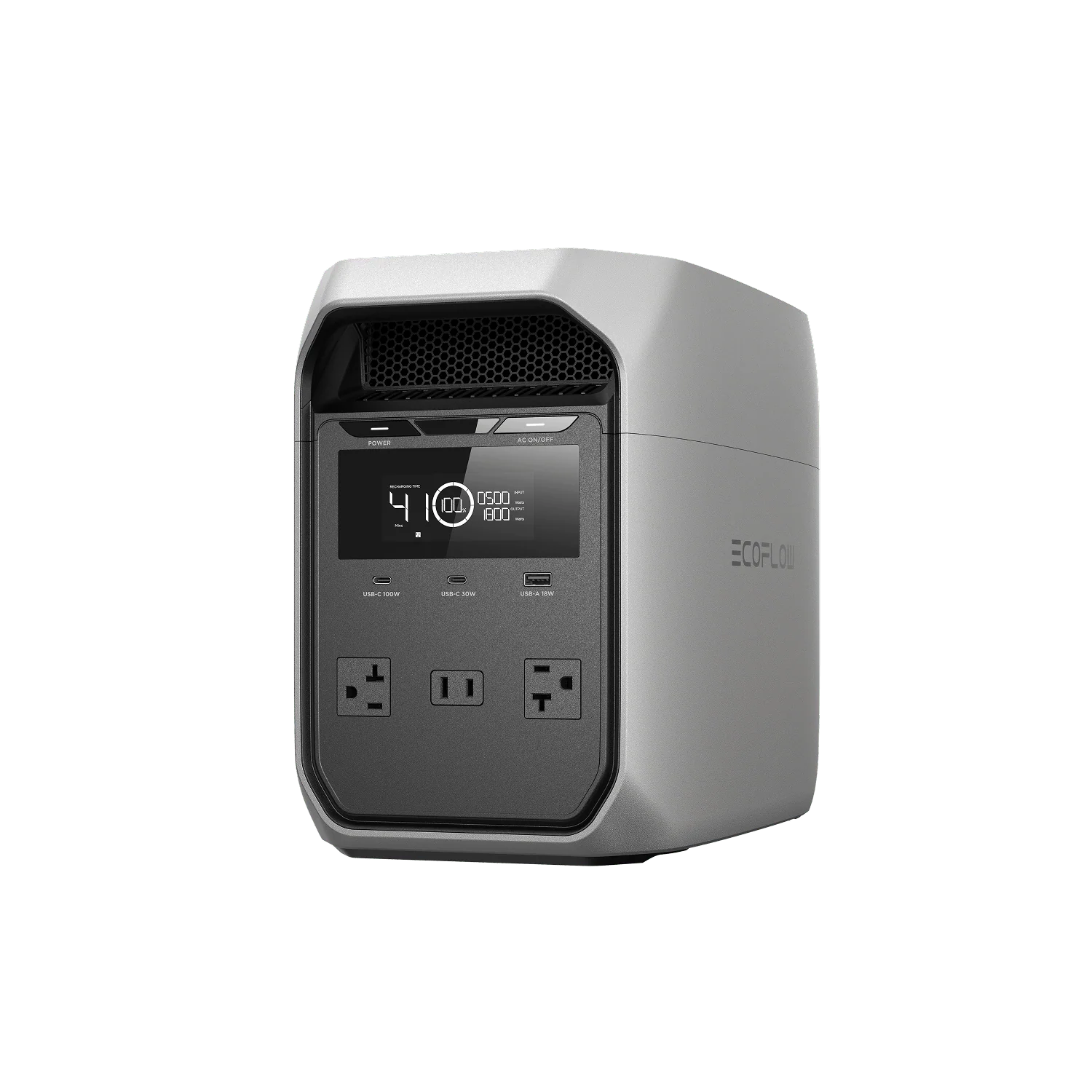 EcoFlow DELTA 3 Classic | $499.00 at EcoFlow | 2.05 Wh/$ | #5 of 6 |
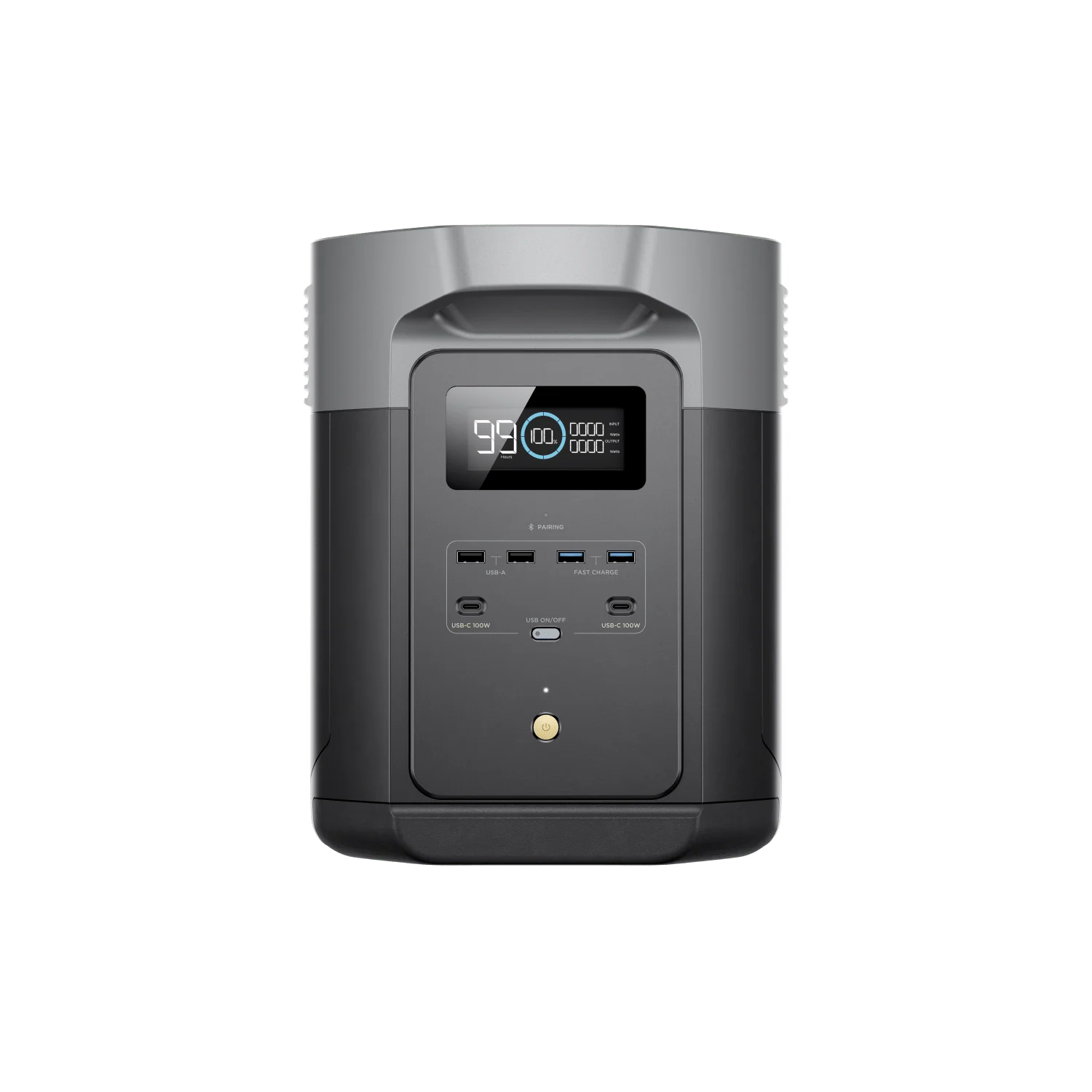 EcoFlow DELTA 2 Max | $1,029.00 at EcoFlow | 1.99 Wh/$ | #6 of 6 |
How much power do these refrigerators draw?
Spread over a year, the Whirlpool WRT311FZD averages a draw of 49.8 W. That comes from the 436 kWh of estimated yearly electricity use listed for this 20.5 cubic feet model. The LG LHTNS2403S is rated at 417 kWh a year, which averages out to 47.6 W.
For the Frigidaire FFTR1835V, the maker gives 410 kWh, which averages out to 46.8 W. Average draw hides the cycles of a compressor, which runs and stops. GE Appliances says start-up amps and watts are usually 3 times the running amps or watts.
Whirlpool's guide gives a lower multiple: doubling the running wattage is recommended for motor start-up. Whirlpool's generator guide lists 1000 W of running watts for a refrigerator/freezer, but Whirlpool calls those figures estimates, to be used only as a rough guide. A run time worked out from capacity and average draw is a ceiling, since every station loses some energy in use.
Each run time below uses the same basis: battery capacity divided by the draw, before losses.
What does the AC180 Solar's capacity work out to against these draws?
Dividing the 1152 Wh in the AC180 Solar by the 49.8 W average of the Whirlpool WRT311FZD works out to 23.1 hours, before losses. Against the 46.8 W average of the Frigidaire FFTR1835V, the AC180 Solar works out to 24.6 hours, before losses.
BLUETTI rates the AC180 Solar at 1800 W, with surges up to 2700 W. The AC180 Solar has a UPS switchover speed of 20 ms or less.
Strengths
- UPS switchover speed: 20 ms or less
What runtime inputs does BLUETTI list for the Elite 200 V2?
For the Elite 200 V2, BLUETTI lists 90 % depth of discharge, at least 85 % inverter efficiency and 10 W of self consumption. Set against the Whirlpool WRT311FZD at 49.8 W, the 2073.6 Wh battery in the Elite 200 V2 works out to 41.6 hours, before losses. BLUETTI rates the Elite 200 V2 at 2600 W of continuous output and 3900 W in power lifting mode.
BLUETTI lists a UPS switchover of 15 ms or less for the Elite 200 V2. The Elite 200 V2 weighs 53.35 lb, in the heavy (over 50 lb) class, and it cannot add batteries.
Strengths
- Large-load output: 2000 W or more of continuous AC output
- UPS switchover speed: 20 ms or less
Gaps
- Weight class: heavy (over 50 lb)
- Charging in freezing weather: does not charge below 0 °C
- Battery expansion: cannot add batteries
- Built-in light: none
How much stored energy does the DELTA 3 Ultra Series hold?
The DELTA 3 Ultra Series holds 3072 Wh, for $1,369.00 at EcoFlow. With the Whirlpool WRT311FZD drawing 49.8 W on average, the DELTA 3 Ultra Series works out to 61.7 hours, before losses. EcoFlow lists 3600 W of continuous output for the DELTA 3 Ultra Series and 7200 W of surge.
According to EcoFlow, the switchover time of the DELTA 3 Ultra Series is 10 ms or less. On value the DELTA 3 Ultra Series is ranked #3 of 6 at 2.24 Wh/$. The DELTA 3 Ultra Series weighs 72.1 lb and stands 24.6 in tall.
Strengths
- Large-load output: 2000 W or more of continuous AC output
- UPS switchover speed: 20 ms or less
Gaps
- Weight class: heavy (over 50 lb)
- Charging in freezing weather: does not charge below 0 °C
How light is the Elite 100 V2?
At 25.3 lb, the Elite 100 V2 is easy to carry (under 30 lb). Its 1024 Wh, divided by the 49.8 W average of the Whirlpool WRT311FZD, works out to 20.6 hours for the Elite 100 V2, before losses.
Continuous output on the Elite 100 V2 is 1800 W by BLUETTI's rating, with a UPS switchover of 10 ms or less. The Elite 100 V2 costs $499.00 at BLUETTI and is ranked #4 of 6 at 2.05 Wh/$.
Strengths
- Weight class: easy to carry (under 30 lb)
- UPS switchover speed: 20 ms or less
Gaps
- Charging in freezing weather: does not charge below 0 °C
- Battery expansion: cannot add batteries
How fast does the DELTA 3 Classic recharge from the wall?
EcoFlow says the DELTA 3 Classic reaches 80 percent from the wall in 45 minutes. Its 1024 Wh matches the Elite 100 V2, so against the Whirlpool WRT311FZD at 49.8 W the DELTA 3 Classic also works out to 20.6 hours, before losses. EcoFlow lists surges up to 3600 W for the DELTA 3 Classic, on top of 1800 W of continuous output.
The DELTA 3 Classic switches over in 10 ms or less, by EcoFlow's figure. Like the Elite 100 V2, the DELTA 3 Classic cannot add batteries. The DELTA 3 Classic sells for $499.00 at EcoFlow and is ranked #5 of 6 at 2.05 Wh/$.
Strengths
- Weight class: easy to carry (under 30 lb)
- UPS switchover speed: 20 ms or less
Gaps
- Charging in freezing weather: does not charge below 0 °C
- Battery expansion: cannot add batteries
Can the DELTA 2 Max grow its battery?
Yes, the DELTA 2 Max can add batteries. On its own 2048 Wh, the DELTA 2 Max works out to 41.1 hours against the 49.8 W draw of the Whirlpool WRT311FZD, before losses. The DELTA 2 Max is rated by EcoFlow at 2400 W, with 4800 W of surge.
For the DELTA 2 Max, the UPS switchover speed is 20 ms or less. The DELTA 2 Max costs $1,029.00 at EcoFlow and weighs 50.7 lb, which puts it in the heavy (over 50 lb) class.
Strengths
- Large-load output: 2000 W or more of continuous AC output
- UPS switchover speed: 20 ms or less
- Battery expansion: can add batteries
Gaps
- Weight class: heavy (over 50 lb)
- Charging in freezing weather: does not charge below 0 °C
What do the refrigerator makers' own manuals and guides say?
For a wall supply, the Whirlpool top-mount manual asks for 115 V, 60 Hz, on a 15 A or 20 A fused, grounded supply. The Whirlpool top-mount manual says a separate circuit serving only the refrigerator is recommended, with a grounded 3 prong outlet. In the same Whirlpool manual, extension cords and adapters are listed as not to be used.
The guide for the Fisher & Paykel RF178 says 1-2 hours without power does not affect its temperatures. According to the guide for the Fisher & Paykel RF178, food stays safe for up to 4 hours with the door kept closed. The Fisher & Paykel RF178 guide also uses the term portable power supplies and says they are not to be placed at the rear of the appliance.
GE Appliances says running amps are stated on the rating plate of the appliance. The rating plate on your refrigerator lists its running amps.