Which bifacial solar panel gives the most for the money?
Of the bifacial solar panel picks here, the Renogy 200W N-Type Bifacial Solar Panel is the best value at $1.000/W, ranked #1 of 3. Every pick here is listed as bifacial: yes. The 250W N-Type Bifacial Solar Panel comes next at $1.060/W, which puts it #2 of 3.
The 100W N-Type Bifacial Solar Panel lands at #3 of 3, with a value of $1.100/W. Size and weight matter as much as price when you choose a panel. A larger panel can mean fewer panels to mount and wire for the same total watts.
A smaller panel can fit spaces where a big one cannot.
| Product | Best current price | Cost per watt | Value rank |
|---|---|---|---|
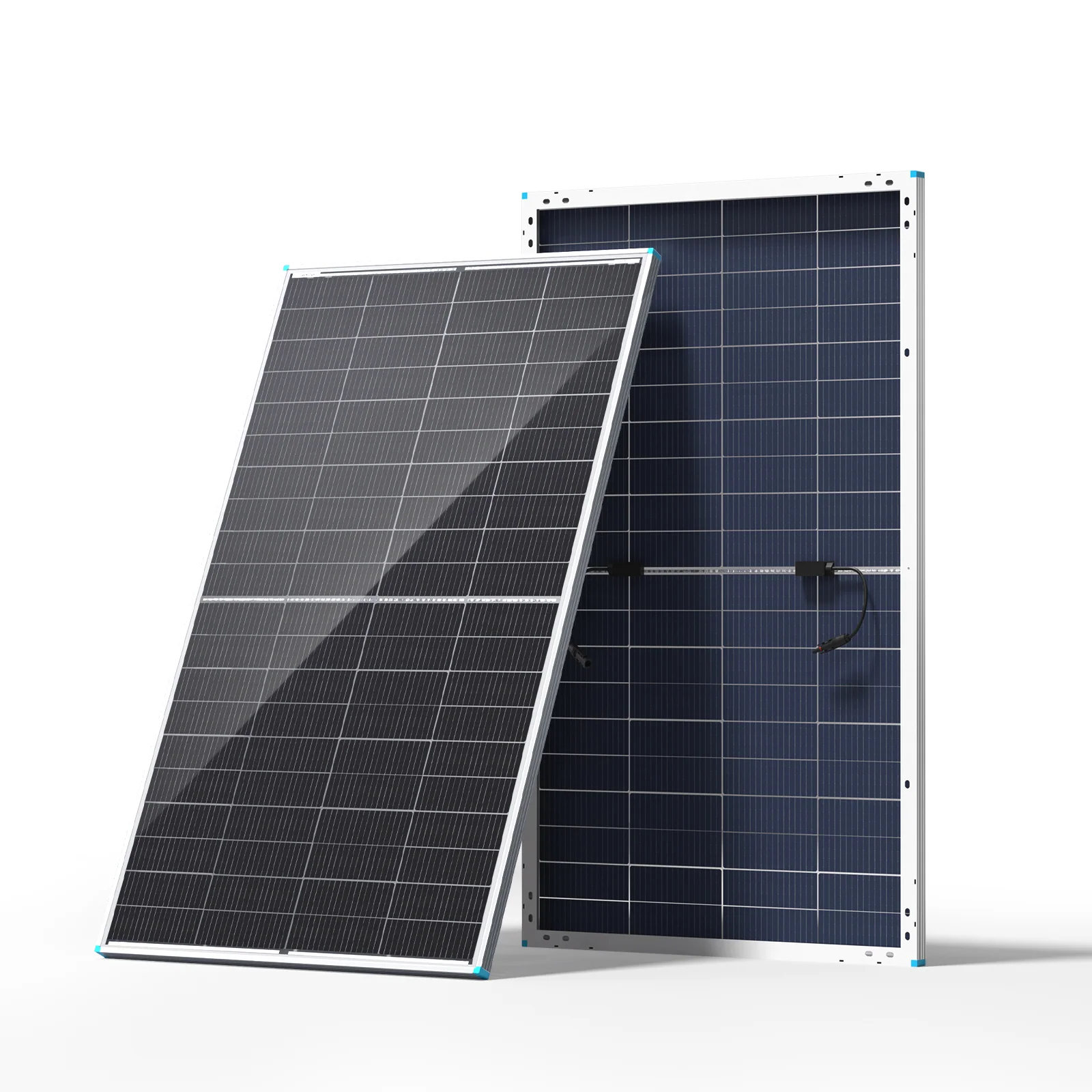 Renogy 200W N-Type Bifacial Solar Panel | $199.99 at Renogy | $1.000/W | #1 of 3 |
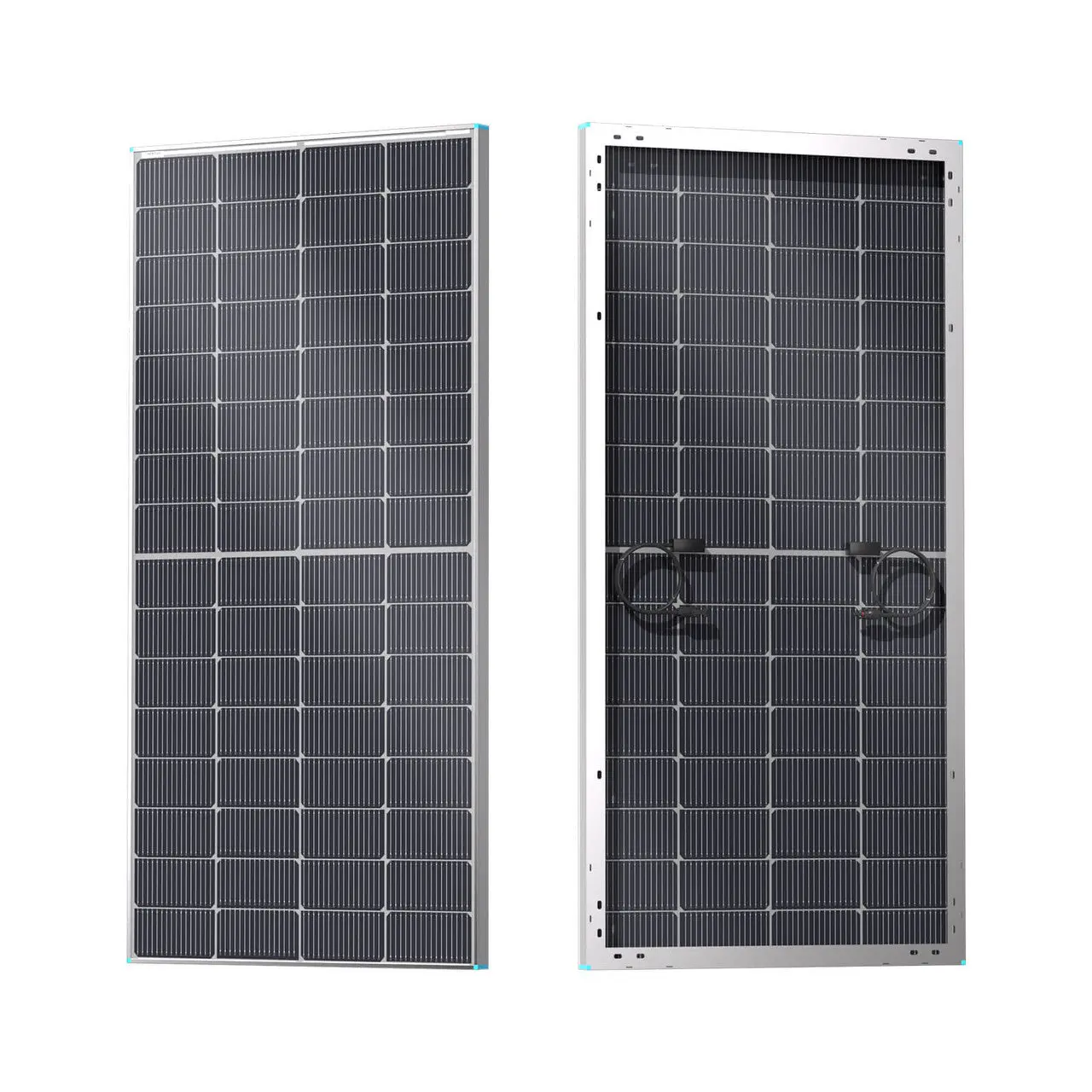 Renogy 250W N-Type Bifacial Solar Panel | $264.99 at Renogy | $1.060/W | #2 of 3 |
| Renogy 100W N-Type Bifacial Solar Panel | $109.99 at Renogy | $1.100/W | #3 of 3 |
Why is the 200W N-Type Bifacial Solar Panel the value leader?
The 200W N-Type Bifacial Solar Panel has the lowest cost per watt in this group at $1.00 per watt, against $1.06 per watt and $1.10 per watt for the others. It costs $199.99 at Renogy for a panel rated at 200 W. Renogy lists its weight at 22.71 lb.
Its module efficiency is 19.9 %, according to Renogy. Renogy gives the cell doping as n_type. On the electrical side, Renogy rates it at 25 V at max power, and the open circuit voltage it lists for the panel is 29.6 V.
Current is listed as 8 A at max power, with a short circuit current of 8.7 A. Check these numbers against the input limits of your charge controller or power station before you buy.
Strengths
- Weight class: easy to carry (under 30 lb)
What does the 250W N-Type Bifacial Solar Panel add?
The 250W N-Type Bifacial Solar Panel has the top module efficiency of the group at 21.2 %, ahead of 19.9 % and 20 % for the others. Higher efficiency means more power from each square foot of roof or rack. It is rated at 250 W and sells for $264.99 at Renogy.
Cost per watt comes to $1.06 per watt. At 27.3 lb by Renogy's figure, it weighs more than the 22.71 lb and 11.97 lb panels. Its voltage is lower than the 200W N-Type Bifacial Solar Panel: 19.52 V at max power and 22.35 V open circuit, against 25 V and 29.6 V.
Current runs higher instead, at 12.81 A at max power and 13.49 A short circuit. Higher current can call for thicker wire and a controller that can accept it. Renogy lists the output connector as mc4.
Make sure your cables and adapters use the same connector type before the panel arrives.
Strengths
- Weight class: easy to carry (under 30 lb)
How light is the 100W N-Type Bifacial Solar Panel?
At 11.97 lb, the 100W N-Type Bifacial Solar Panel is the lightest of the set, well under the 22.71 lb and 27.3 lb of the larger panels. Its weight class is easy to carry (under 30 lb). Light panels are simpler to lift onto a van roof or set up by yourself.
It costs the least to buy outright, at $109.99 from Renogy, against $199.99 and $264.99 for the bigger panels. The trade is cost per watt, which is $1.10 per watt for a panel rated at 100 W. According to Renogy, module efficiency is 20 %.
The maker marks this small panel as bifacial: yes, and its cells as n_type. Voltage is 23.6 V at max power and 28.5 V open circuit. Renogy rates the current at 4.24 A at max power and 4.45 A short circuit.
Lower current puts less demand on a controller and on cable size, so check your controller's limits.
Strengths
- Weight class: easy to carry (under 30 lb)
How do the voltages and currents of these panels compare?
These panels list different voltages: open circuit voltage is 29.6 V on the 200W N-Type Bifacial Solar Panel, 22.35 V on the 250W N-Type Bifacial Solar Panel and 28.5 V on the 100W N-Type Bifacial Solar Panel. Current differs as well, from 4.24 A at max power on the 100W N-Type Bifacial Solar Panel to 12.81 A on the 250W N-Type Bifacial Solar Panel. When you wire panels in series, the voltages add up, so the open circuit figure is the one to watch.
In a series string, the panel with the lowest current can limit the others. It is often best to build an array from matching panels. If you must mix sizes, ask the controller maker how to wire them.
Cold weather pushes panel voltage up, so leave some room below your controller's limit.
How should you choose a bifacial panel for your setup?
Start with the space you have and how much power you need each day. Then check what your controller or power station can take in volts and amps. Bifacial gain depends on how much light reaches the back, so mounting height and ground color matter.
If price per watt is what counts most, the 200W N-Type Bifacial Solar Panel leads at $1.000/W. If you want the most power from each square foot, the 250W N-Type Bifacial Solar Panel has the top efficiency at 21.2 %. And if you carry your panel often or want the lowest price to start, the 100W N-Type Bifacial Solar Panel weighs 11.97 lb and costs $109.99.